





Artemide Teti: compact, direct and easy to compose
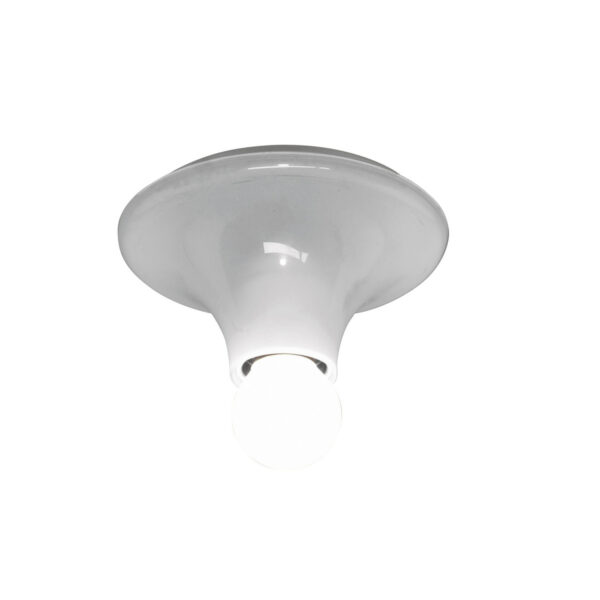
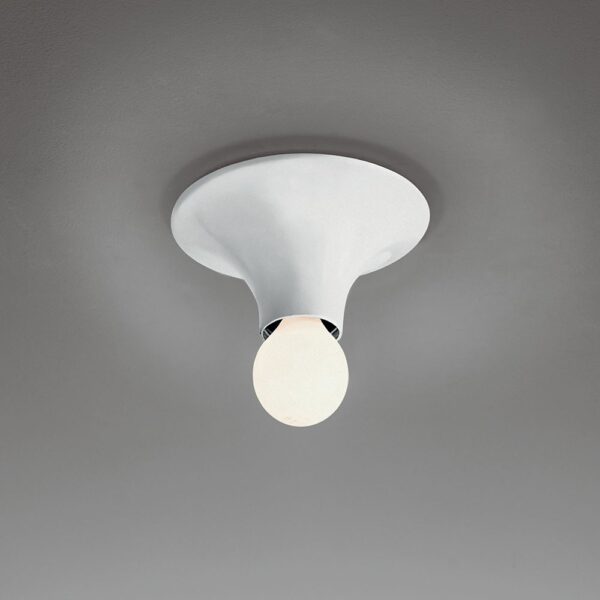
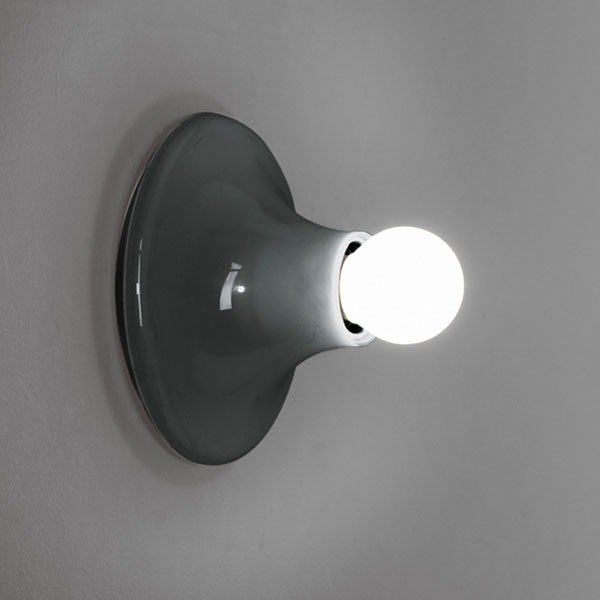
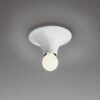
The Artemide Teti shows how much a simple lighting idea can offer when it is designed with precision. Created by Vico Magistretti in 1970, it is a small wall and ceiling light with a clear purpose: to place the light source directly on the surface and let it become part of the design. There is no large shade, no complex structure and no unnecessary gesture. The object is reduced to scale, proportion, colour and the visible bulb.
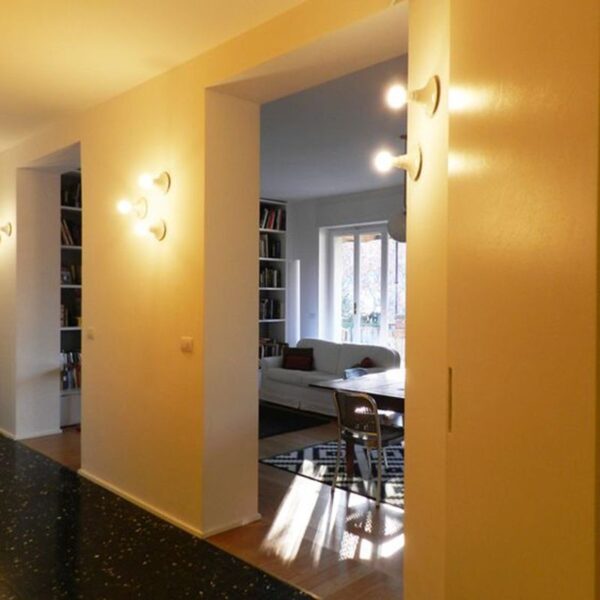
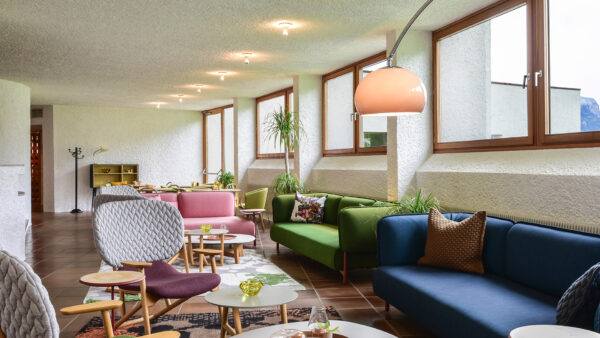
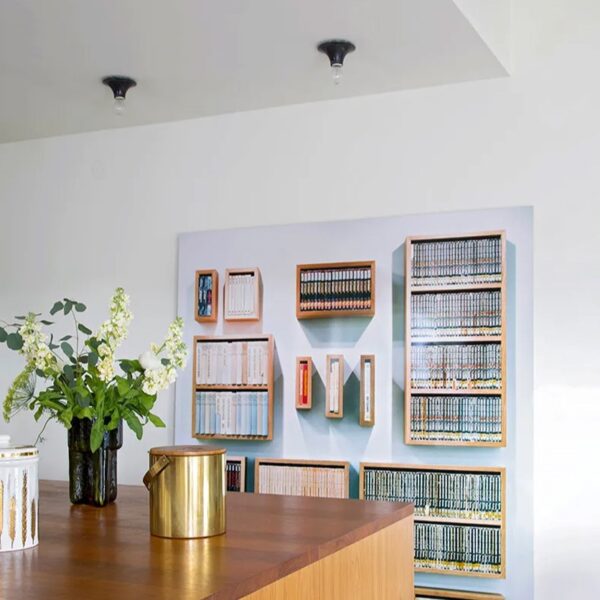
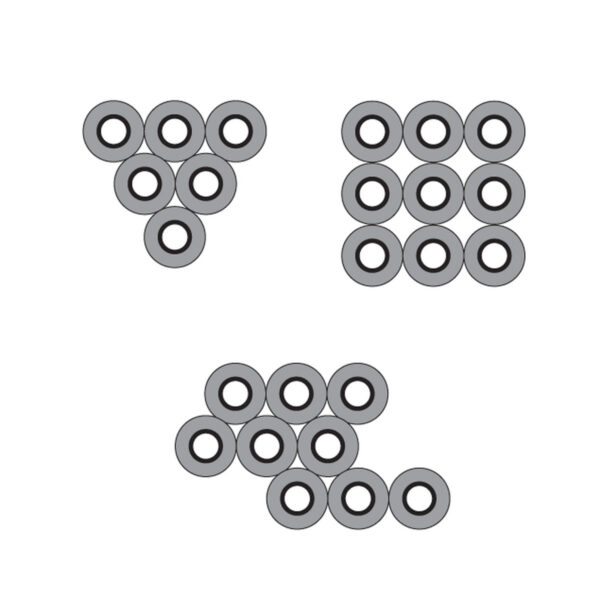
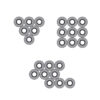
This makes Teti especially useful in interiors where lighting needs to be practical but not anonymous. It does not require much space, and it does not visually dominate a room. Instead, it works as a compact point of light that can be used alone or repeated to create rhythm. For architects and interior designers, this flexibility is often more valuable than a single decorative statement.
Where to use it
In a home, Teti can be placed in an entrance, corridor, walk-in closet, small bedroom, utility room or transitional space. As a ceiling light, it is a good option where the ceiling height or room function does not allow for a pendant. As a wall light, it can become a small luminous marker, useful along a hallway, near a doorway or on a surface that needs a clean lighting detail.
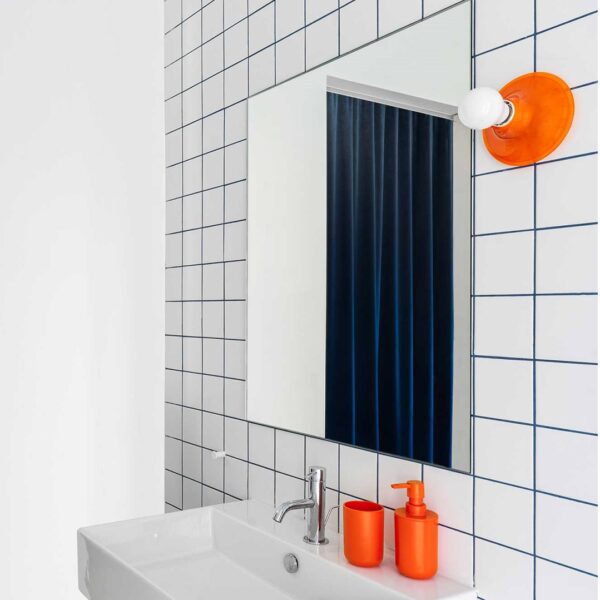
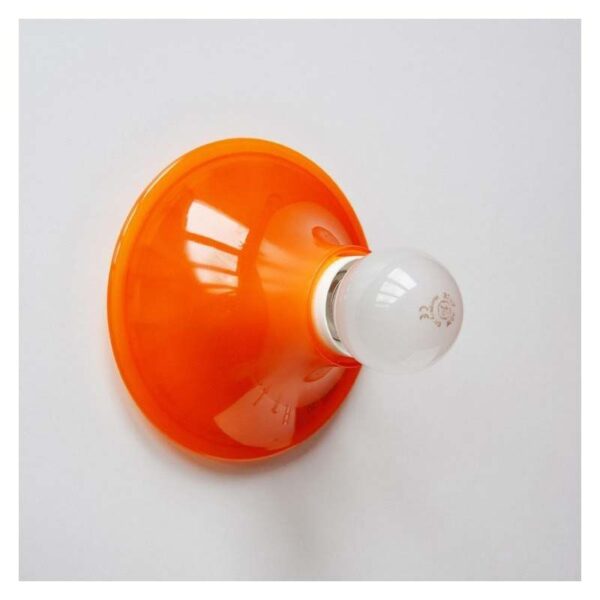
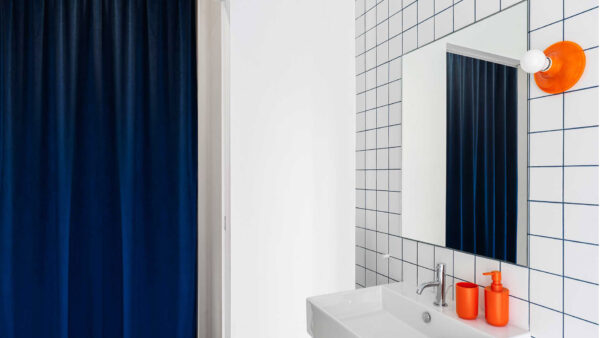
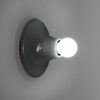
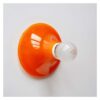
The choice of colour changes how the product behaves in the interior. White or transparent versions feel quieter and more architectural. Orange, ruby red or anthracite versions create a stronger visual note and can be used when the lighting fixture is meant to contribute more actively to the palette of the room. This gives the designer control over whether Teti blends into the space or becomes a small accent.
Light effect and lamp choice
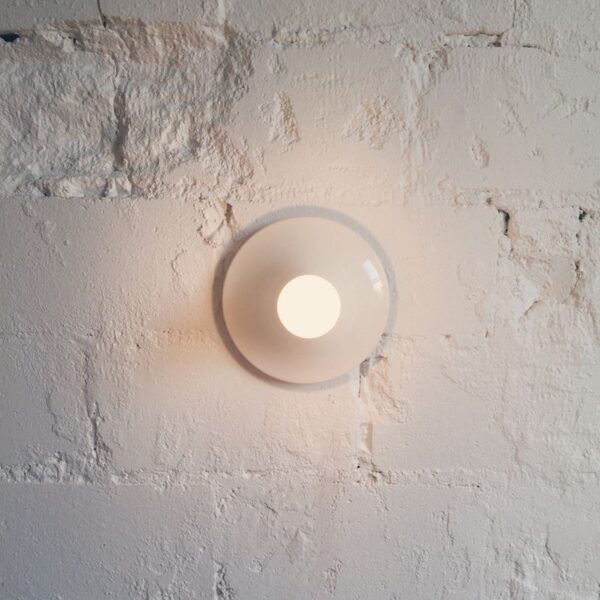
Teti provides direct light, and the final result depends strongly on the lamp used. Because the bulb remains visible, it should not be treated as a hidden technical component. Its shape, colour temperature and surface finish affect both the lighting effect and the appearance of the fixture. A warmer lamp can make the result softer and more comfortable for daily use, while a more graphic bulb can make the object feel more expressive.